
XRF Analyzer Guns For Sale
The best XRF analyzer guns featured here can serve many purposes, including metal and lead paint testing. Get the handheld and portable X-Ray spectrometer at a price that works for you.
Fill out the form so we can learn about your needs and provide no-obligation quotes.
Handheld XRF analyzer devices for lead testing & more are for sale for prices ranging from $7,500 – $50,000, depending on your needs. Get quotes from competing companies to lower your cost.
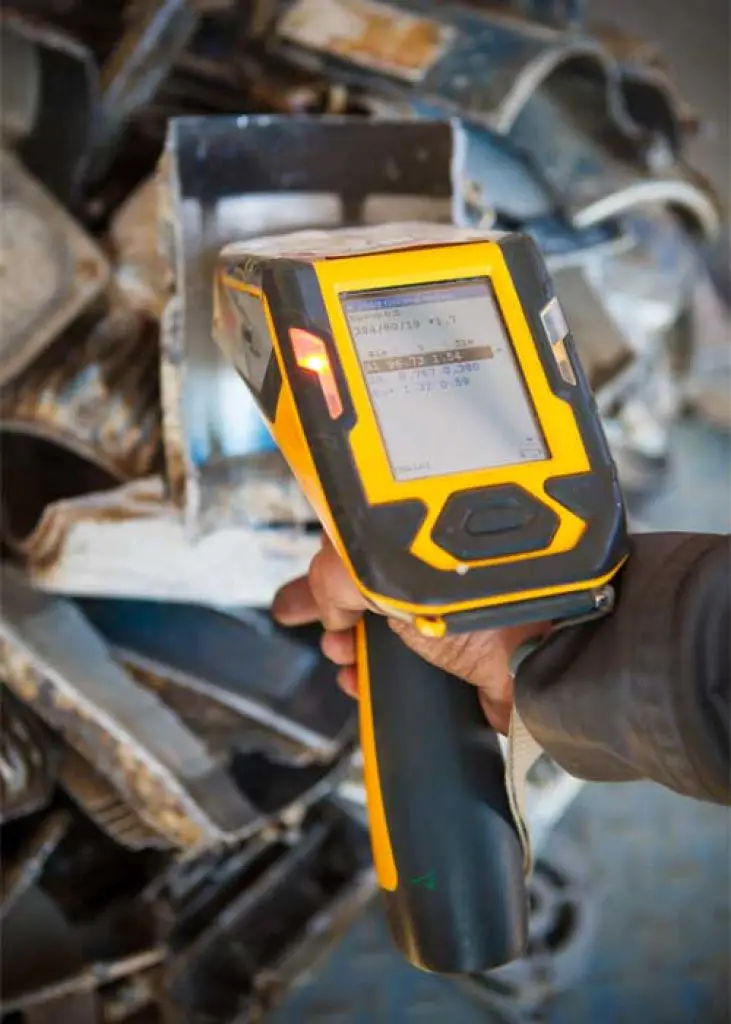
Get easy samples analyzed in the field. You won’t find these XRF lead-testing guns on Amazon! Get the best price on handheld, portable XRF analyzers, and machines.
Get a lead detection gun today that can also be used for metals like gold. They’re great lead paint detector devices.
Here’s a list of things they’re commonly used for:
- Identify alloys
- Deliver geochemical data
- Analyze precious metals
- Determine coating weight
- Elemental analysis
Here are some of the industries that use these machines:
- Construction & environmental engineering
- Mining & exploration
- Precious metal recycling
- Automotive
- Aerospace
- Metal fabricating
- Oil & gas
Questions
Bulk 3M Lead Checks Swabs and D-Lead lead paint test kits are the two main EPA-recognized testing methods. It allows contractors and homeowners to comply with the RRP rule and help ensure your family’s safety.
With their ease of use and low cost, we have helped contractors detect the presence of lead in paint. It happens almost instantly!
XRF analyzer guns are great ways to live up to the rules. Get your handheld X-ray spectrometer machine from our website.
| Price | Manufacturer | Model |
| $25,000 | ThermoFisher | XL2 800 |
| $39,100 | ThermoFisher | Xl3t 800 |
| $45,800 | ThermoFisher | XL3t 980 |
| $14,495 | Thermo Scientific | XLP 303A |
| $4,890.00 | Thermo Scientific | Niton DXL |
Can these products test kids' toys?
The quantity found in children’s products must be less than 100ppm. Since most products offered can screen to 600 ppm, don’t rely on these tests for your children’s products.
Before buying these swabs, it’s also important that you make sure they work on the surface you intend on testing.
Are they reliable
If used properly, the test kits that we sell on this site are so reliable that they have been approved by the EPA for RRP testing purposes and will give you a positive or negative response.
You can also find products on the market that aren’t EPA-approved, although we only sell EPA-approved ones.
You need to know about the two important products are 3M LeadCheck swabs and D-Lead lead test kits. Other products cannot be assumed to be reliable and won’t pass an EPA inspection which could mean you end up getting fined.
We also encourage you to consider XRF analyzer guns, which are great machines for spectroscopy.
XRF scanners provide a handheld solution at a price that depends on your needs. These guns can also test gold. Get the right instrument and lead detector device for your needs.
How do you use them?
The easiest way to test your home for lead paint is with the D-Lead or 3M product we sell on this website. Using either one, you’ll be able to figure out if your home contains the material reliably.
Follow the instructions on the product, and you’ll have your answer within 30 seconds.
| Ways to test | Pros/cons |
| 3M LeadCheck | Cheap |
| D-Lead | Cheap & comes with a great kit |
| XRF | More expensive, doesn’t leave marks. |
Do home inspectors check for the material?
The various tests that inspectors do will vary. There isn’t a universal process they use, so the easiest way to figure out if they are going to or not is to ask them. However, it is fairly common for them to check if the home was built pre-1978.
Alternatively, you can check for yourself with the help of the products sold on this site. Make sure you get the right spectrometry machine.
The cost of an XRF analyzer ranges between $17,000 and $55,000. It’s the reason they’re mainly used by pros.
| Manufacturer | Headquarters |
|---|---|
| Bruker | Billerica, MA, USA |
| Thermo Fisher Scientific | Waltham, MA, USA |
| PerkinElmer | Waltham, MA, USA |
| Panalytical | Almelo, Netherlands |
| Rigaku | Tokyo, Japan |
Is it safe to use?
- Niton
- Thermo Scientific
- Elvatech
- Xcalibur
X-ray analyzers work on various materials and can analyze lots of data. It has everything you need to analyze alloys.
Learn more about x-ray fluorescence, so you’ll know which detector is right for you with the needed performance. It’s your choice!
They can also perform elemental analysis of minerals and soil.
These small devices can reliably test:
- plaster
- drywall
- ferrous metal
- and wood
They are ideal for testing before remodeling.
Suppose you are hoping to use these kits on toys. It’s important to make sure that you check what type of material the toy is made of before you order from us. You may not get reliable results if the product is being used on a surface that was never intended for.
As is stated in the section about whether or not these kits can be used on toys, toys are subject to different rules and limits than other surfaces. These products may not provide the necessary testing necessary down to the limits you are trying to test.
These easy-to-use swabs take 30 seconds. The results are almost instant and indicate if the lead is present when used correctly. When lead is present, the chemical turns red. On the other hand, Orange isn’t indicative of the presence of lead.
These are great for both interior and exterior walls. They’re great when old buildings start to show flaking or chipped parts.
| Name | Instant Lead Test |
| Brand | 3M |
| Usual quantity per pack | 8 |
| Certification | EPA-recognized |
| Works in | 30 seconds |
It's our goal to expand our product selection to help you with even more home improvement-related tasks.
News You Can Use
Check out our many different blog posts on related issues. We’ll cover everything from EPA-sanctioned fines to industry news you should be aware of. Be sure to subscribe to our newsletter to stay updated.
We have a blog where we post on topics related to lead exposure. It includes everything going on globally and various news on abatement. We strongly encourage you to check it out. Bookmark it so you can come back and see what is going on.
Company info: About us, contact us, cookie policy, FAQ, privacy policy & terms & conditions

