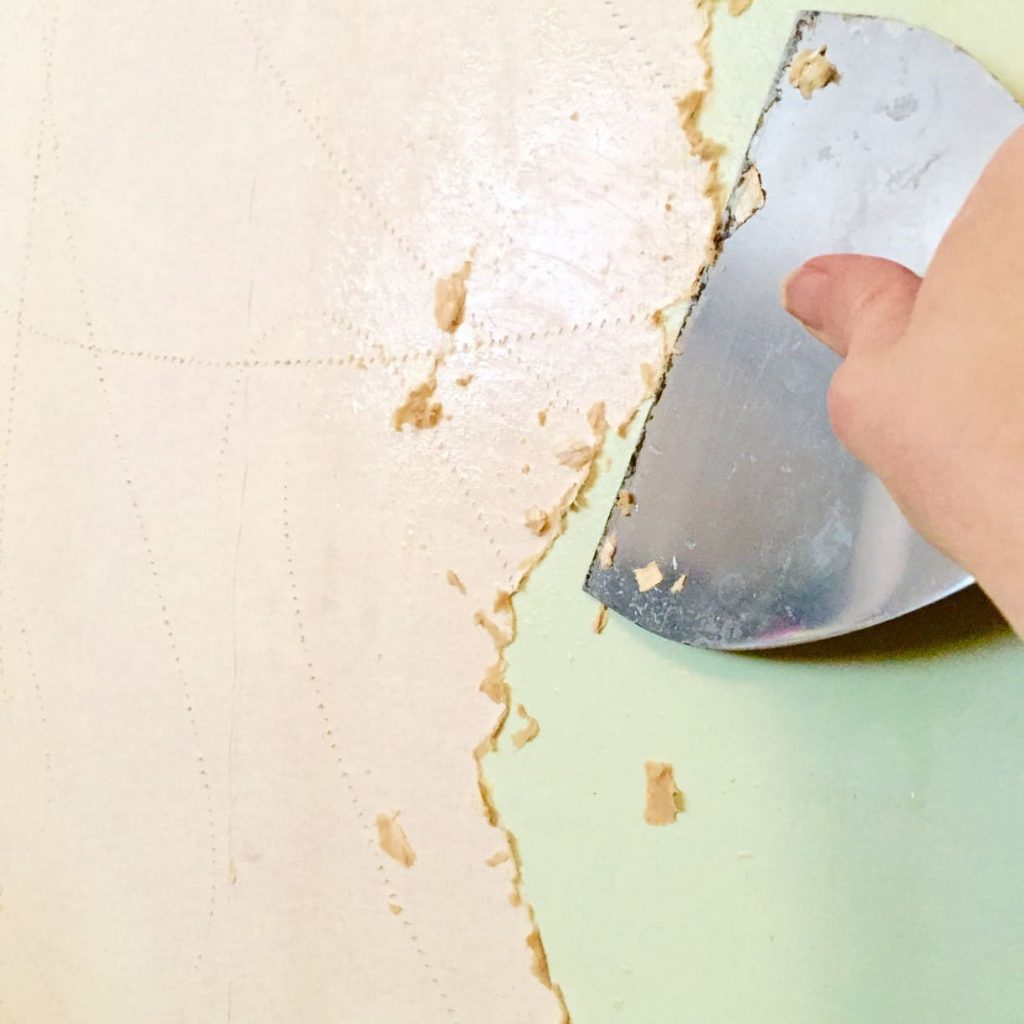

The Peel Away 7 Solvent-Based Remover is also a multipurpose, heavy-duty product. Still, it is specially formulated to work on hardwoods without causing discoloration or raising the grain. Peel Away 7 is ideal for antique restoration because its solvent-based formula does not raise the grain or saturate wood fibers with water. This eliminates the need for aggressive sanding afterward.
Its other noteworthy features include:
- Peel Away 7 is a solvent-based, non-caustic remover. It is pH neutral, which means you don’t have to neutralize. Unlike alkaline strippers (Peel Away 1), it does not react with the tannins in hardwoods like Oak or Mahogany, preventing the chemical ‘burn’ or darkening of the wood fibers.
- It is pH neutral, which means you don’t have to neutralize a surface before re-painting or refinishing.
- It has a low evaporation rate that allows you to skip applying the laminated paper and peel away the product by itself when applied outdoors.
- It comes with the Dumond Laminated Paper, and a gallon is enough to cover between 40 to 50 square feet on average.
- It’s best applied using an airless sprayer, but it can also be applied using a roller or brush.
While it works on most surfaces, the Peel Away 7 Solvent-Based Remover is best used on:
| Aluminum | Marble |
| Asphalt | Metal |
| Brick | Most Fiberglass |
| Brownstone | Sandstone |
| Cement | Slate |
| Concrete | Stone |
| Copper | Terra Cotta |
| Galvanized Steel | Tile |
| Glass | Tin |
| Granite | Wood |
| Limestone |
Unlike the Peel Away 1 Water-Based Remover, the Peel Away 7 Solvent-Based Remover also effectively removes high-performance coatings. It includes things that would otherwise be hard such as:
- Automotive and Marine Bottom Finishes
- Urethanes
- Mastics
- Epoxies
- Aluminum
- Acrylic
- Chlorinated Rubber
- Elastomeric
But despite being capable of working on a wide variety of surfaces, it is not recommended for use on the following:
- EIFS
- Composite decking
- Drywall
- Rubber
- Vinyl
- Sheetrock
- Plywood
- Veneer
Perform a Test Patch to determine the necessary Dwell Time (typically 12–24 hours). If the product dries out, it becomes inert. Re-hydrate the surface by applying a fresh layer of ‘7’ over the hardened paste to reactivate the chemical bond before attempting removal.
MANDATORY SAFETY PROTOCOL (EPA RRP Compliance)
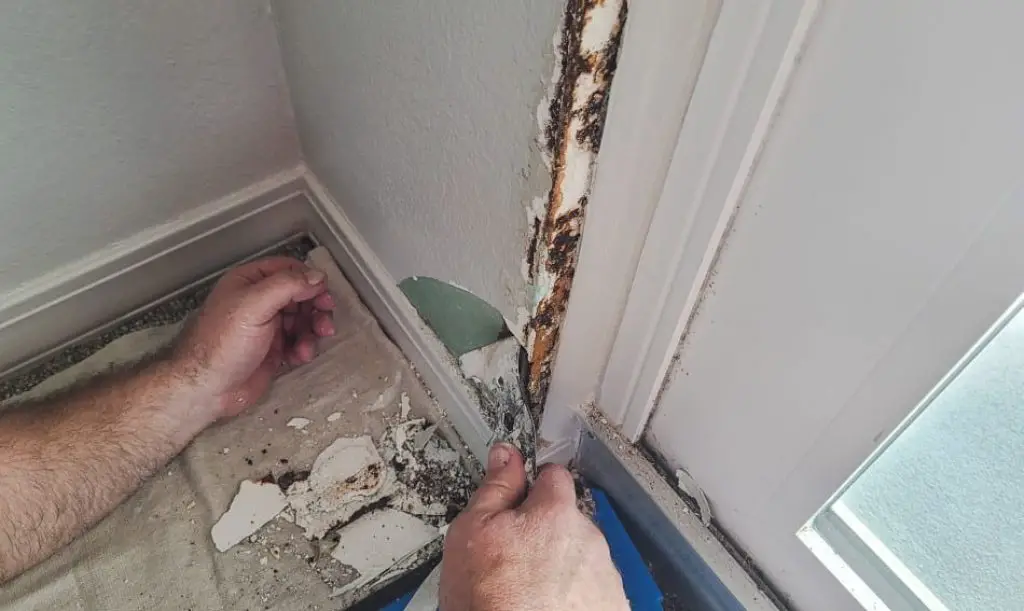
Lead paint removal is a high-hazard activity. You must wear a NIOSH-certified P100 respirator and Tyvek suits. Standard N95 masks do not filter microscopic lead dust. Use 6-mil plastic sheeting for containment to prevent environmental contamination.
Are you interested in seeing more of what this fantastic product can do? We encourage you to watch the videos that show you just how easy it is to achieve the result using this rather than some other alternatives.
The Peel Away system provides Dust-Free Encapsulation. By keeping the lead-based paint in a wet ‘sludge’ state during removal, you prevent lead particulates from becoming airborne. All waste must be double-bagged in 6-mil bags and disposed of according to local hazardous waste regulations.
Post-Abatement Safety & Cleanup Protocol
Chemical stripping is only the first stage of a lead-safe project. To ensure the environment is safe for re-occupancy, you must follow the HEPA/Wet-Wipe/HEPA method:
- Stage 1: HEPA Vacuuming: Once the “sludge” is removed and the substrate is dry, vacuum all surfaces using a certified HEPA-filter vacuum. Standard shop-vacs are forbidden; their filters are too porous and will aerosolize lead particles back into the room.
- Stage 2: Phosphate Wash (Wet-Wipe): Scrub the wood grain with a high-phosphate detergent, such as Trisodium Phosphate (TSP). Lead dust is heavy and “sticky”; TSP is specifically formulated to break the ionic bond between lead dust and the wood surface.
- Stage 3: Final Verification (Lead Clearance): Do not rely on a visual inspection. Use a Lead Dust Wipe Test (sent to an EPA-recognized lab) to verify that the dust-lead levels are below the federal thresholds of 10 µg/ft² for floors and 100 µg/ft² for window sills.